A garden can be immaculate and almost lifeless, or a little untidy and absolutely humming. The difference is whether you've made room for anything other than yourself. Gardening for wildlife isn't about letting the place go to ruin; it's about sharing it deliberately, and the reward is a plot that's livelier, healthier and far more resilient to whatever the season throws at it.
Plant for Pollinators
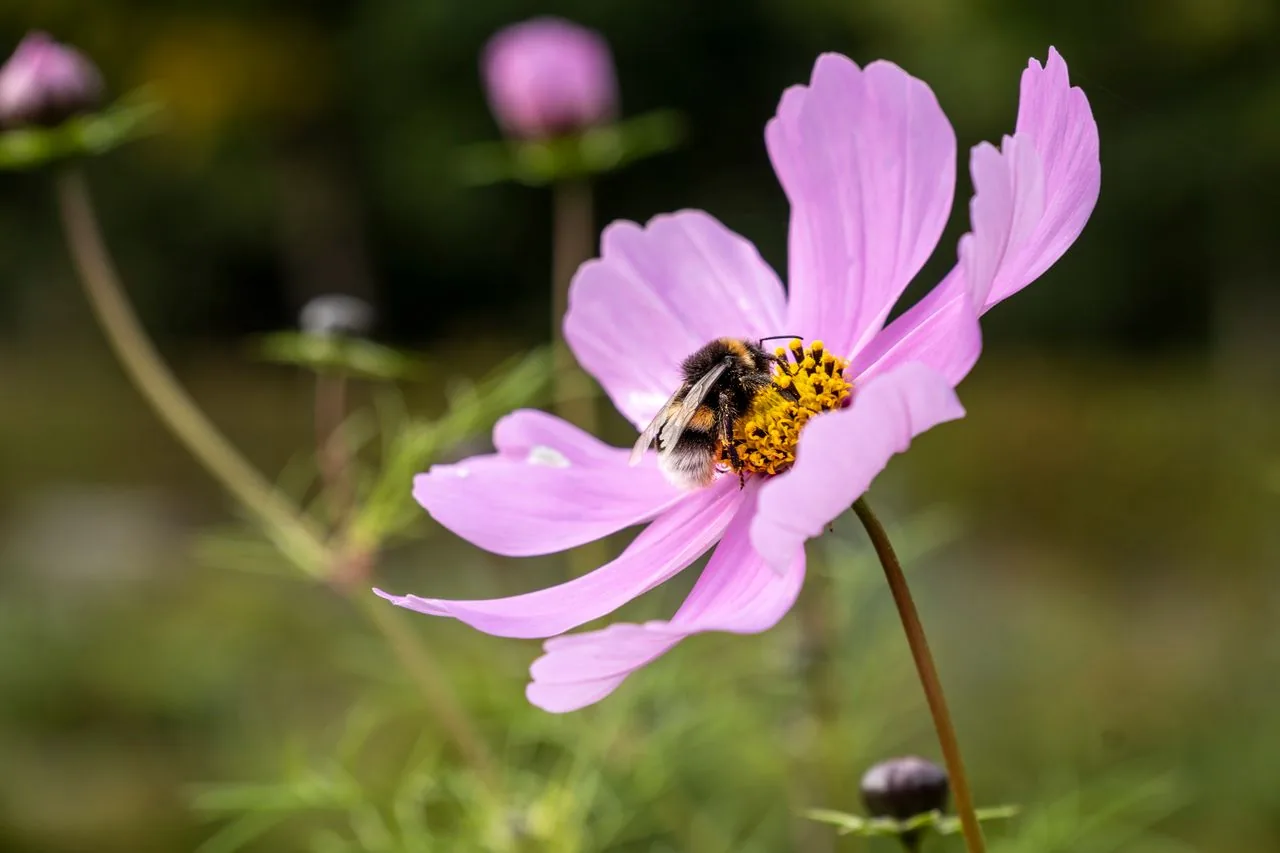
Bees, hoverflies and butterflies are the engine of a productive garden, and they're easy to court. Grow a long succession of nectar-rich flowers so something is always in bloom, from early crocus to late ivy. Favour single, open blooms over showy doubles, which often hide their nectar behind too many petals. A few square metres given over to pollinator plants will repay you many times over in fruit set and sheer movement on a warm afternoon. Many of these ideas sit at the heart of the permaculture movement, which treats a thriving web of life as the foundation of any good garden.
Leave a Little Wildness
Some of the best things you can do for wildlife look, to a tidy eye, like neglect. A log pile rotting in a shady corner shelters beetles and hedgehogs. A patch of long grass feeds caterpillars. A few seed heads left standing over winter become a larder for birds. Resist the autumn urge to cut, clear and scrub everything back to bare earth. A garden that's a touch shaggy in the margins is doing far more good than a pristine one.
Water, Shelter and No Poison
Add water — even a sunken washing-up bowl with a stone ramp out — and the wildlife arrives within days. Provide shelter with hedges, climbers and undisturbed corners. And put down the chemicals: a garden that welcomes predators rarely needs them, because the ladybirds, frogs and birds you've invited do the pest control for free.
Give a little ground back to the wild and your garden stops being a static display and starts being a system. It's more alive, more forgiving, and a great deal more interesting to stand in.