Permaculture sounds like something that needs a diploma, but the idea behind it is plain enough: design your growing space so that it does as much of the work as possible on its own. Rather than fighting your plot every season, you arrange it to mimic the way natural systems already feed and maintain themselves. For a kitchen garden, that means less digging, less watering and less endless intervention.
Design From the Back Door Outwards
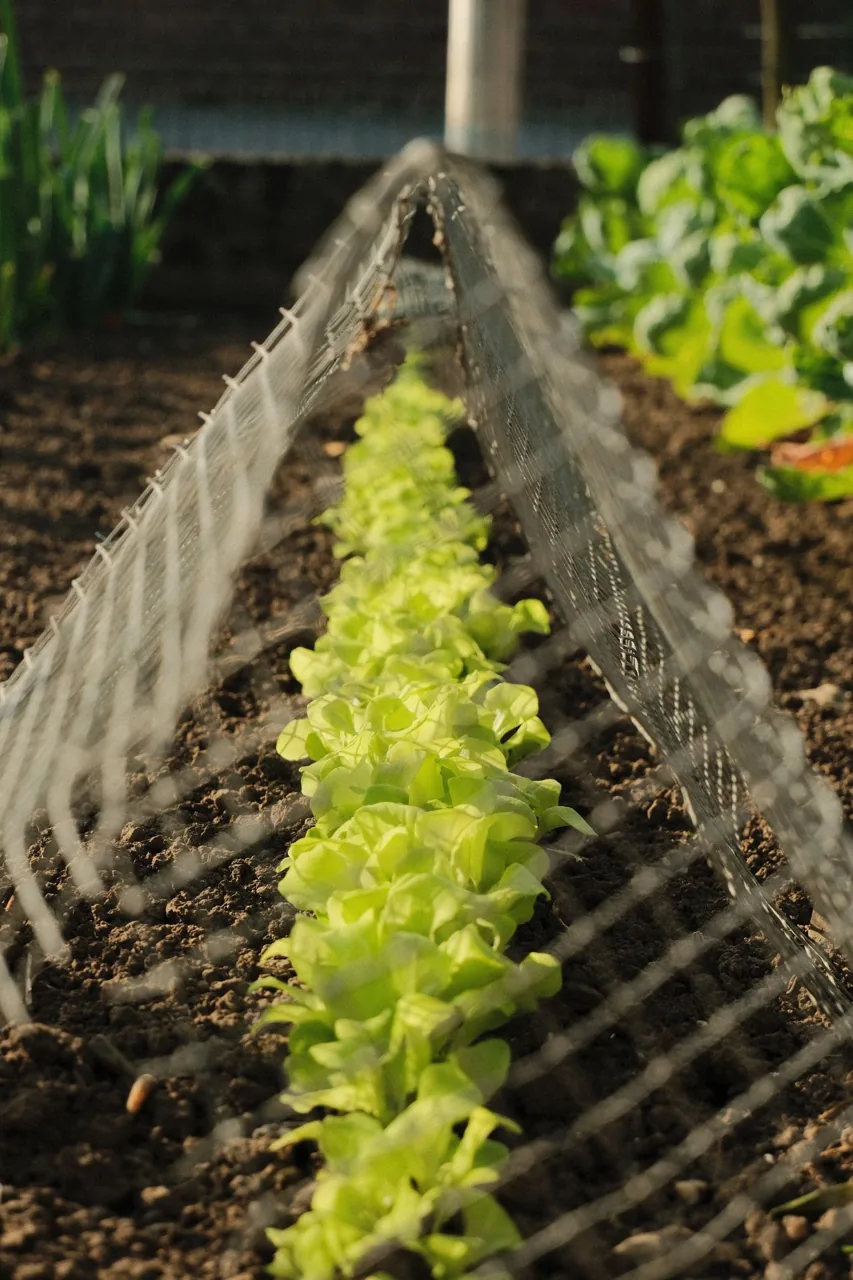
One of permaculture's most useful ideas is zoning — placing things according to how often you visit them. The herbs you snip daily and the salads you pick constantly go nearest the kitchen door. The crops you tend weekly sit a little further out, and the orchard or wilder corner, which mostly looks after itself, goes furthest away. It sounds obvious, yet it transforms how much a garden actually gets used. The path of least resistance becomes the productive one.
Stack, Layer and Share
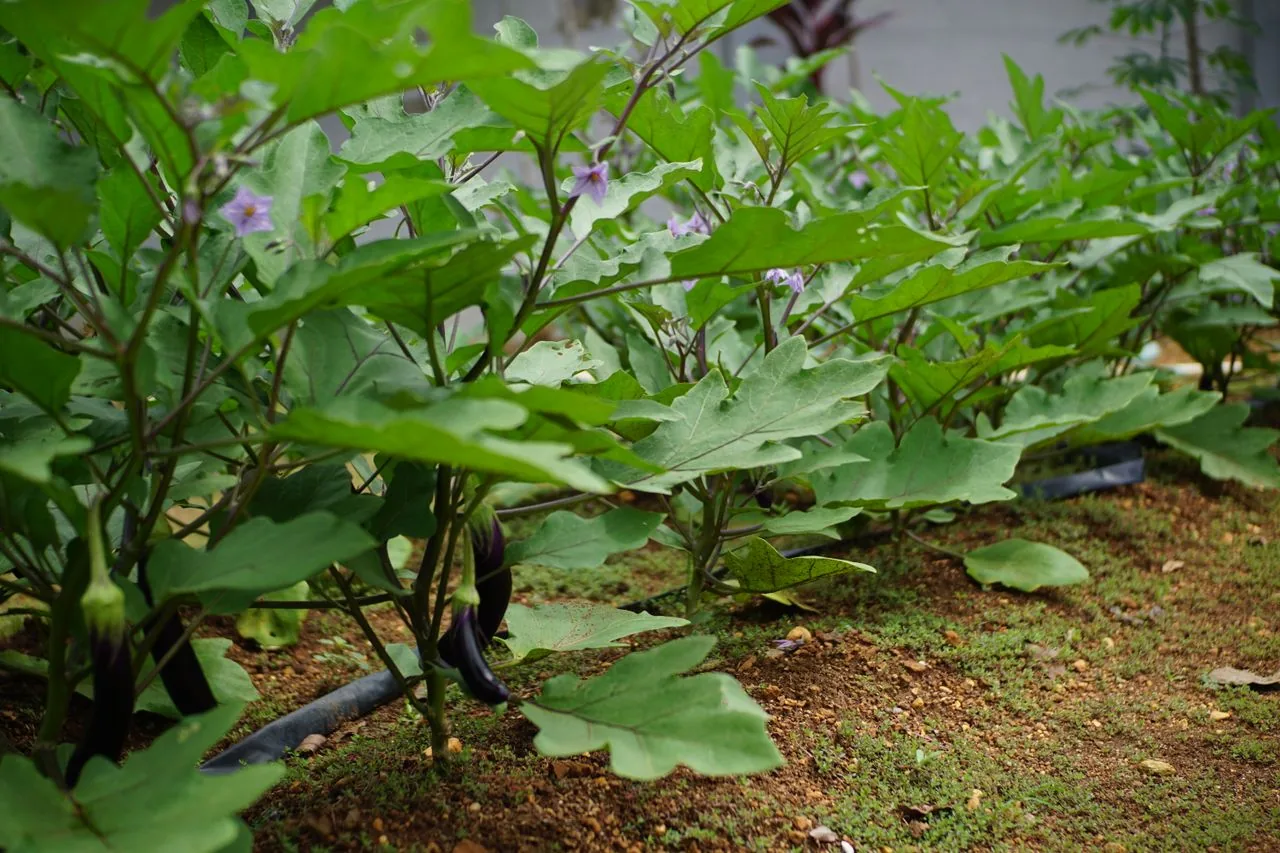
Nature rarely grows things in tidy single rows, and neither should you have to. Interplanting fast crops between slow ones, growing climbers up tall plants, and underplanting fruit trees with herbs all squeeze more from the same ground while shading out weeds. Companion planting — beans with sweetcorn, flowers among the veg to pull in pollinators and predators — lets the garden defend and feed itself. Every plant earns its place by doing more than one job.
Close the Loops
The final principle is to keep resources cycling on site. The compost heap feeds the beds. Rainwater off the shed roof fills the butt. The chickens turn scraps into eggs and manure. A garden designed this way needs fewer inputs each year because its waste becomes its fuel. It takes more thought up front, but far less labour once it's running.
You don't need acres to garden this way. Even a few raised beds, arranged with a little permaculture thinking, will reward you with more food and less fuss.