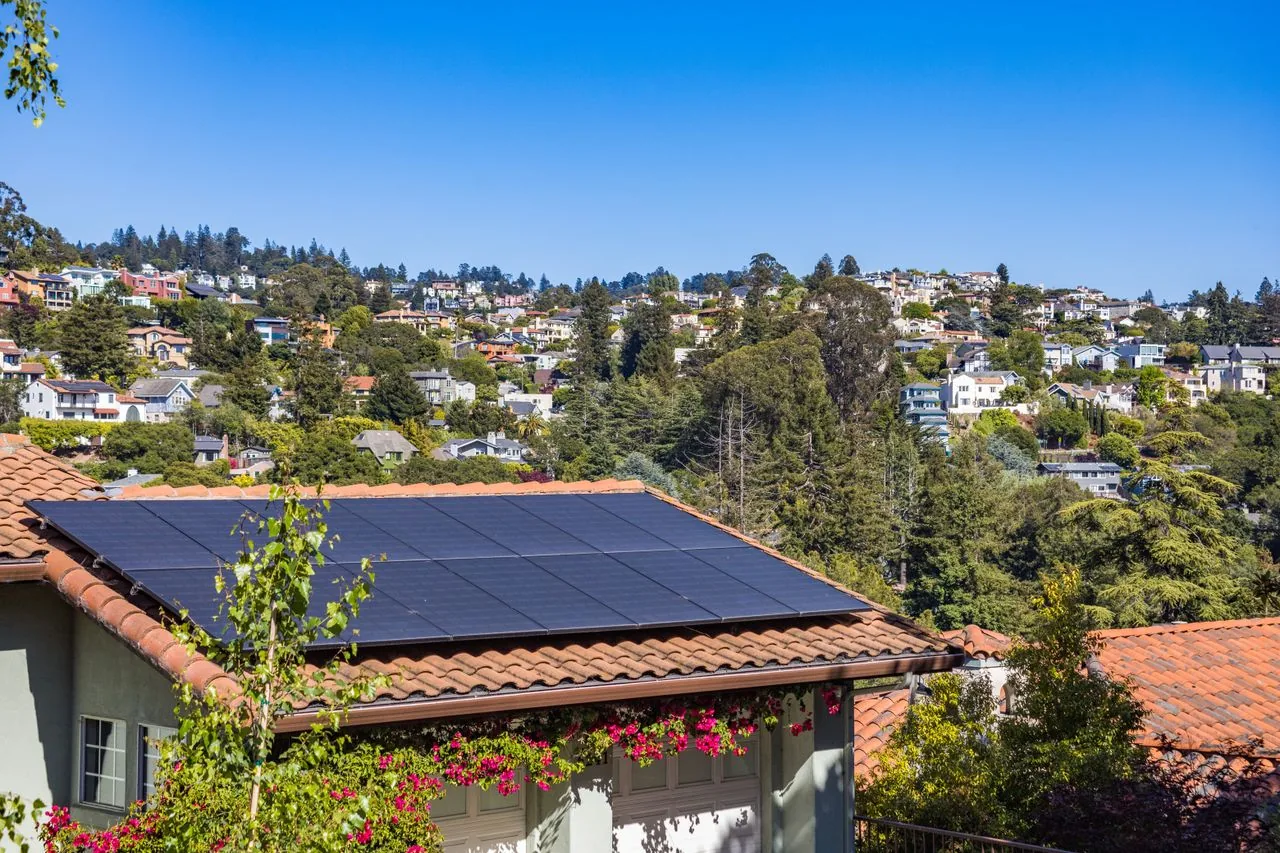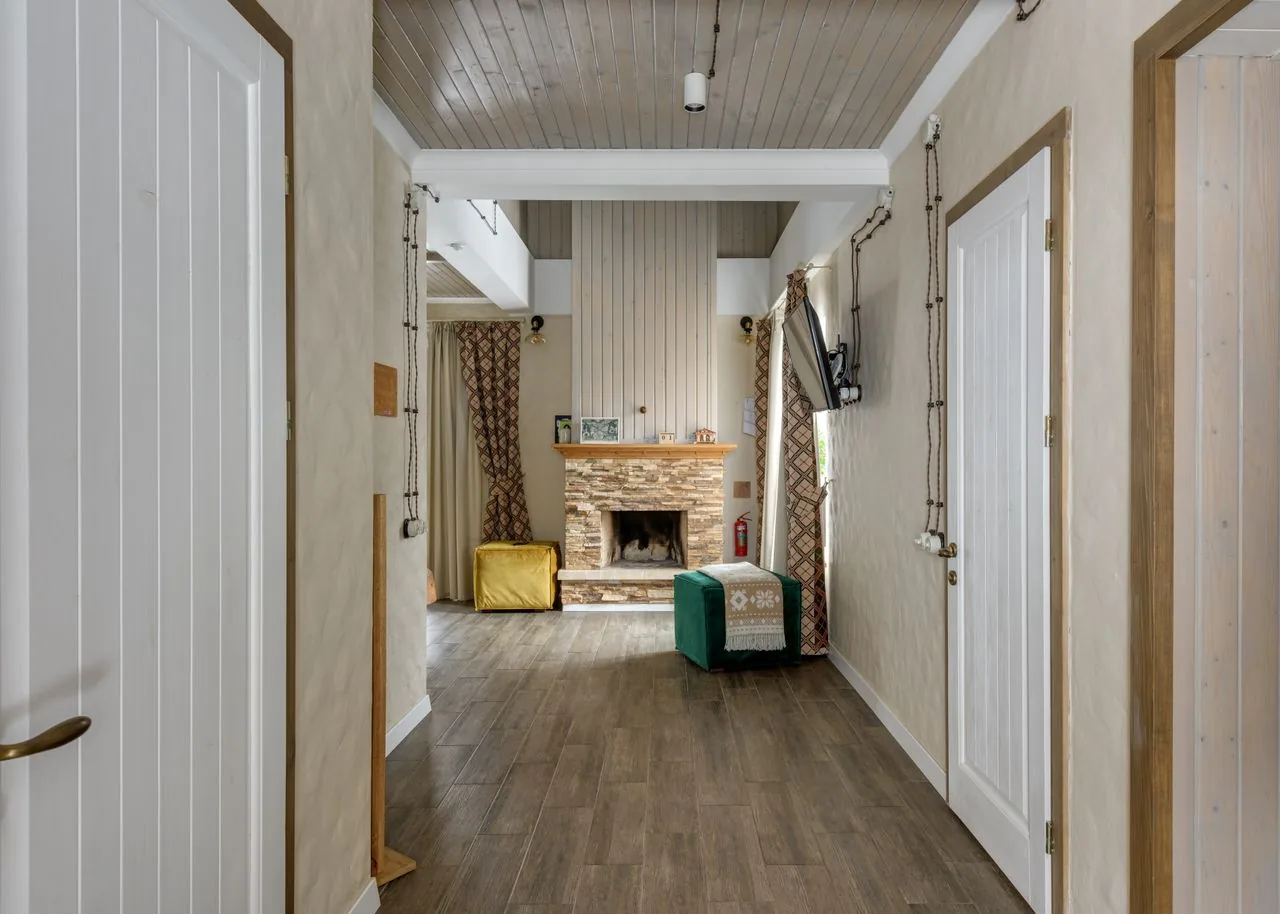
Talk about sustainable homes and people picture sleek, triple-glazed new-builds bristling with technology. But most of us live in the house we already have, often an older one, and that's exactly where the meaningful changes are. A genuinely sustainable home isn't about gadgets; it's about using less, wasting less and making the place work harder for you.
Tackle the Boring Basics First
The least exciting improvements deliver the biggest returns. Insulate the loft properly, draught-proof the doors and windows, and bleed the radiators. Swap remaining halogen bulbs for LEDs and put the standby gadgets on a switched strip. These cost little, pay for themselves quickly and quietly cut your energy use before you spend a penny on anything fancier. Comfort goes up at the same time, which is the part nobody tells you.
Use Less Water Than You Think You Need
In the country, where many homes draw from a private supply or a stretched mains, water deserves the same care as energy. A water butt on the downpipe handles the garden through summer. A shorter shower, a full dishwasher and a quick fix for that dripping tap all add up. None of it pinches, and it takes pressure off both your bills and the local watercourse.
Buy for the Long Haul
A sustainable home is also a question of what comes through the front door. Choosing well-made furniture you'll keep for decades, repairing rather than replacing, and resisting the churn of cheap disposable stuff is quietly one of the greenest things you can do. The most sustainable item is almost always the one you already own and look after.
You don't need to rip the house apart to live more lightly inside it. Start with the draughts and the lightbulbs, build the habits, and let the bigger projects wait until they're genuinely worth it.