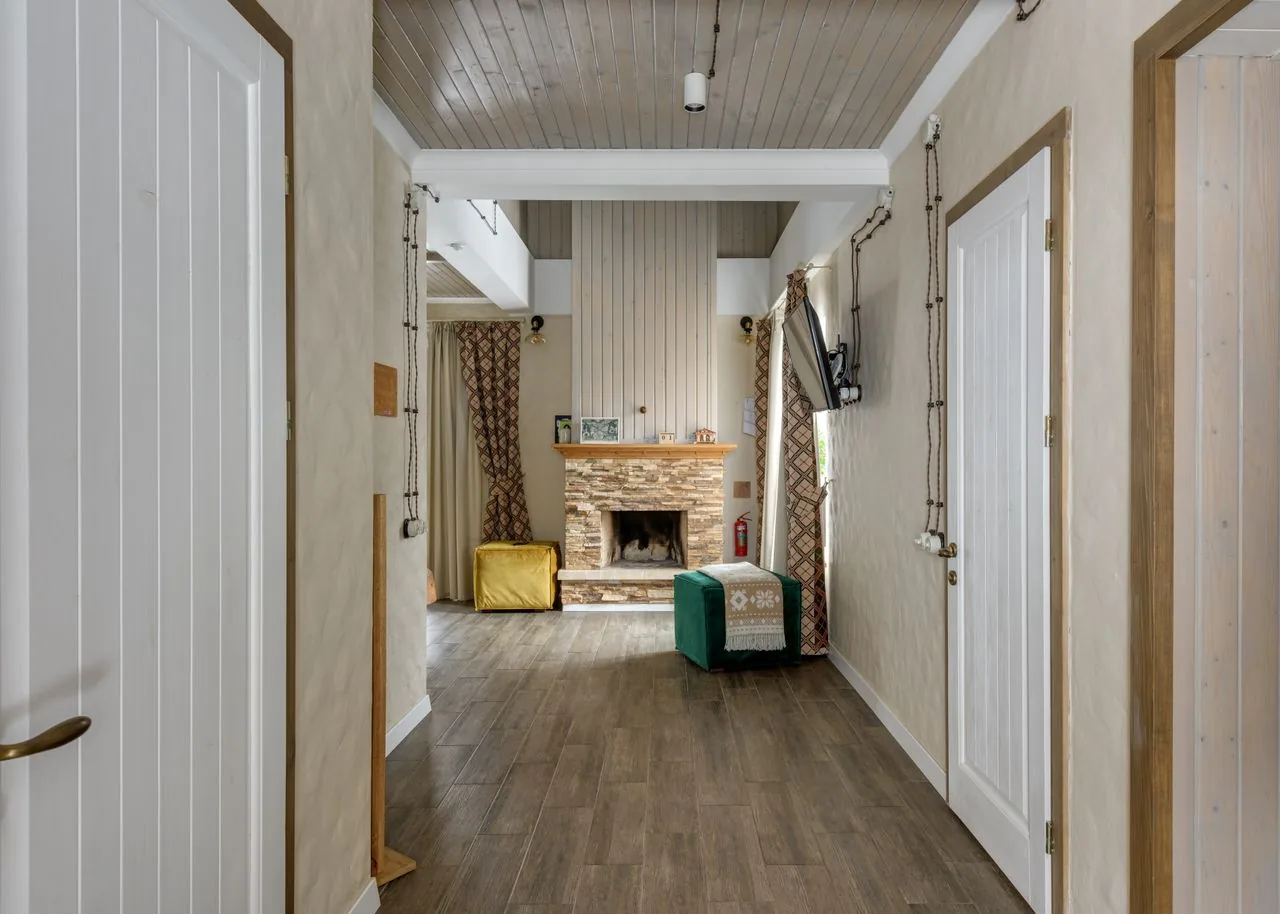
Rural homes have an awkward relationship with energy. Many sit off the gas grid entirely, leaning on heating oil or LPG, and older buildings leak heat through every gap. That's the bad news. The good news is that the same conditions — space, exposure and a reason to change — make the case for cleaner energy unusually strong in the countryside.
Efficiency Comes First, Always
Before generating a single greener kilowatt, it pays to need fewer of them. Insulation, draught-proofing and proper controls cut demand cheaply, and they make everything that follows work better. A heat pump in a leaky house is an expensive disappointment; in a well-sealed one it's a quiet triumph. Get the fabric of the building right first, then look at how you power it.
Generating and Storing Your Own
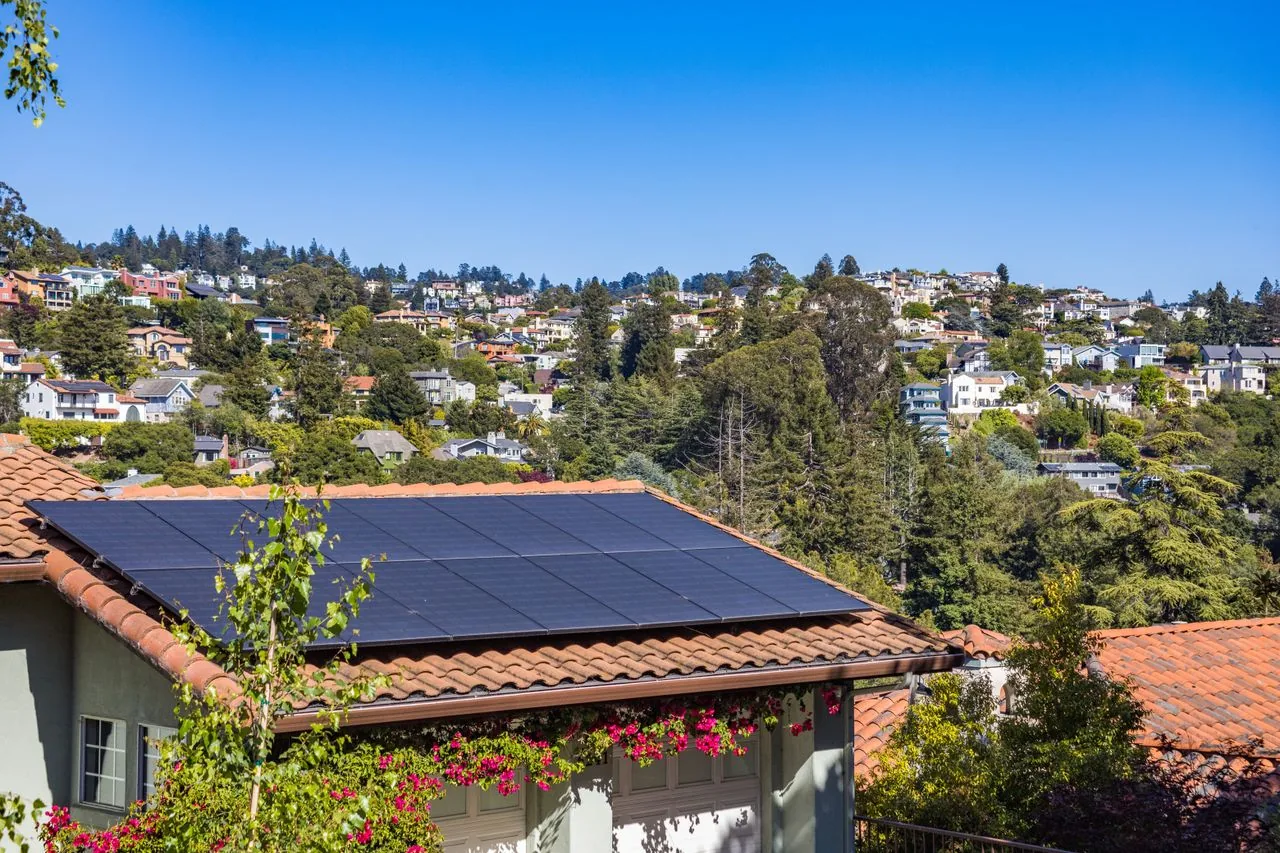
Rural roofs and plots are well suited to solar panels, and a south-facing barn or outbuilding can carry a generous array. Pair panels with a battery and you can run much of the house on your own daytime sun. Air-source heat pumps suit a great many country homes, and ground-source systems make sense where there's land to spare. Grants and incentives shift from year to year, so it's worth checking the current schemes through the government's energy department before committing to anything.
Sweat the Small Stuff Too
Not every improvement is a major install. Switching to a renewable electricity tariff, swapping an ageing oil boiler for a more efficient model as a stopgap, and timing heavy use to match your own generation all chip away at both bills and carbon. The countryside rewards a bit of self-reliance, and energy is no exception.
Greener rural energy is a sequence, not a single leap: seal the house, then generate what you can, then refine the details. Tackled in that order, even an old stone cottage can become a surprisingly clean place to live.