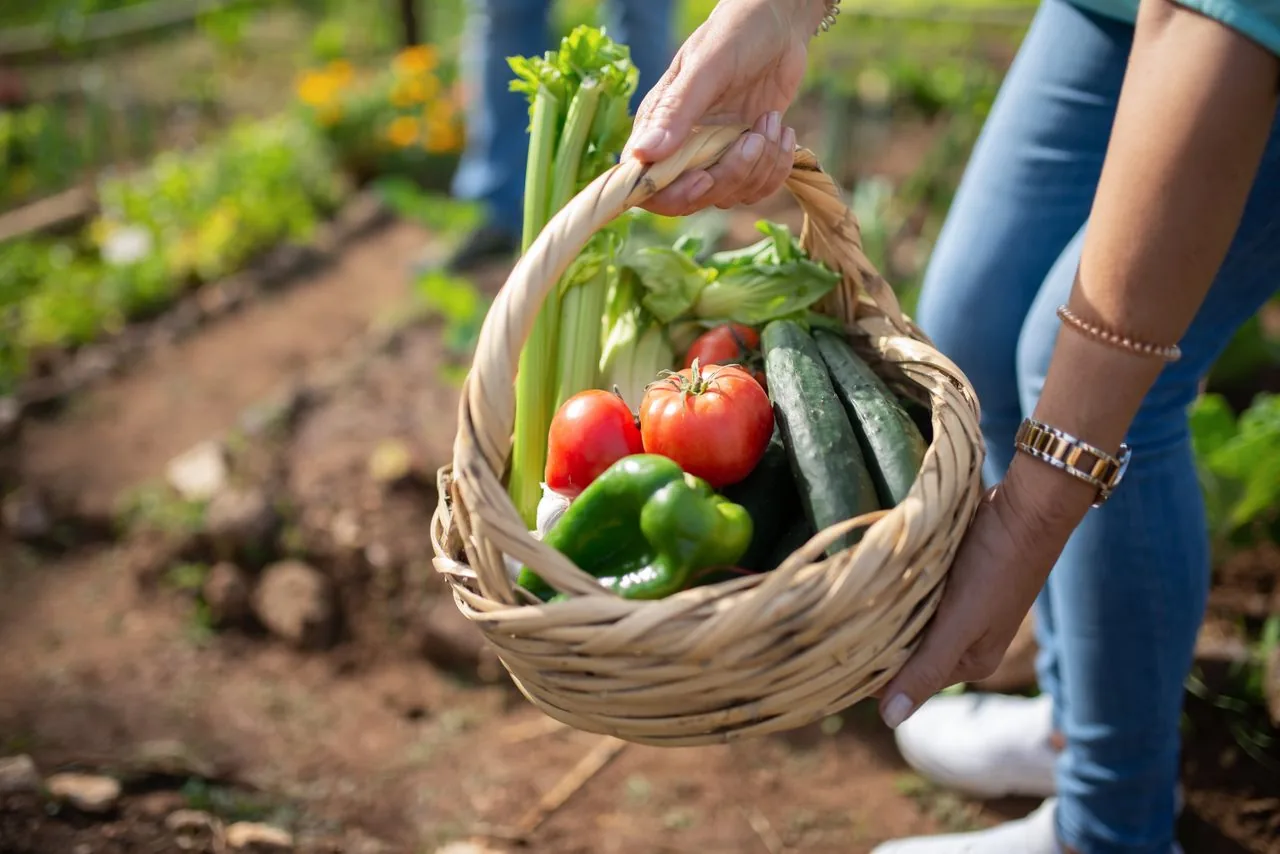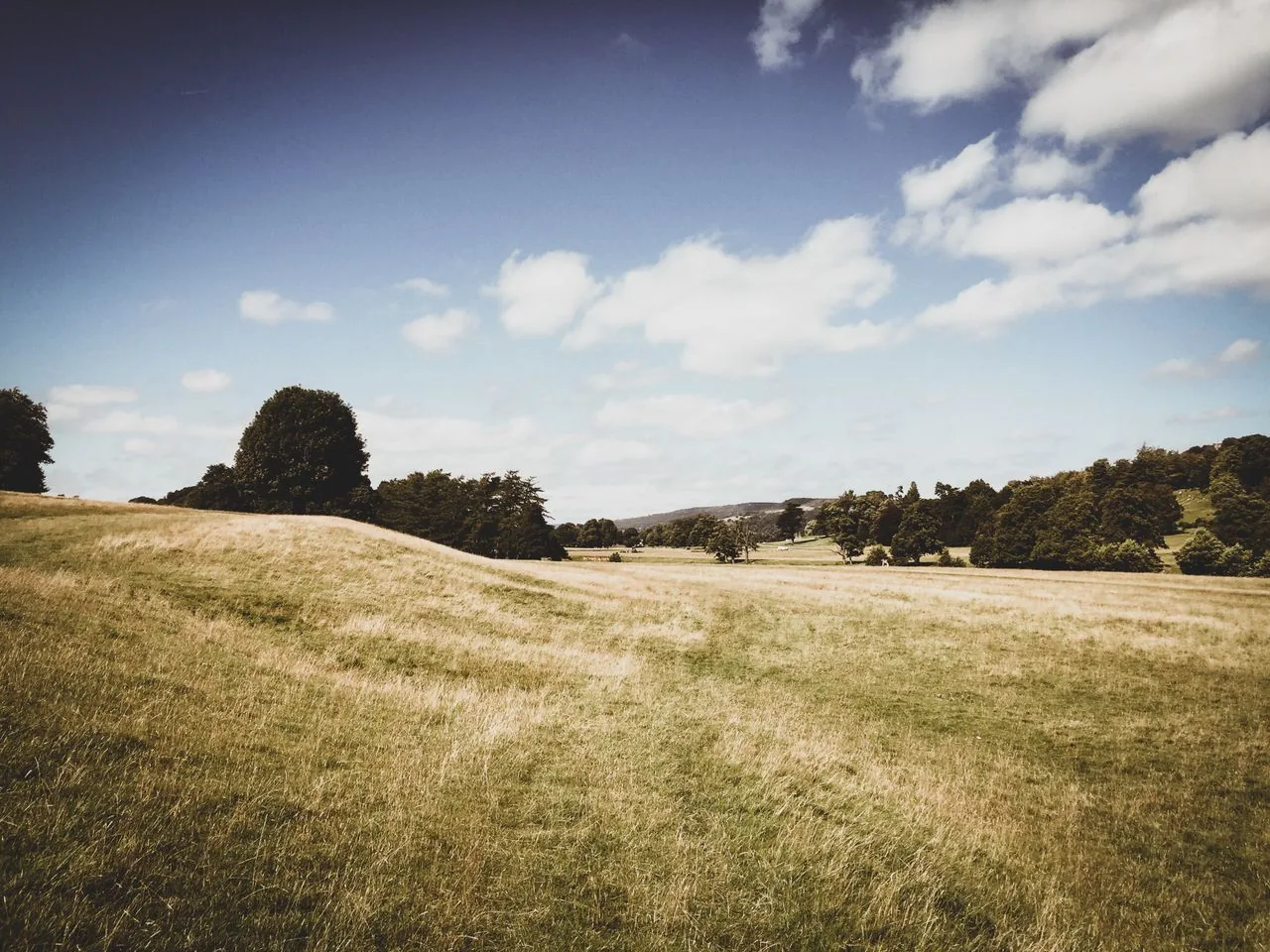
Slow living gets mistaken for laziness, or for an excuse to do nothing. In practice it's the opposite. It's a deliberate decision about where your hours and your attention go — choosing depth over speed, and presence over the endless scroll of doing. The countryside doesn't make this happen on its own, but it does give you a setting that quietly encourages it.
Let the Seasons Set the Pace
City life runs on a flat, artificial clock; rural life still bends to the year. There's a time to sow and a time to let the ground rest, a time the evenings stretch out and a time they close in by four. Living slowly means letting those rhythms shape your weeks rather than fighting them. You plant in spring, you preserve in autumn, you hunker down in winter — and there's a deep satisfaction in moving with the season instead of against it.
Fewer Things, Done Well
The heart of slow living is subtraction. It's resisting the urge to fill every evening and every corner of the calendar. A long walk with no destination. Bread made by hand because you have the afternoon. A conversation with a neighbour that isn't squeezed between two other tasks. None of it is productive in the modern sense, and that's precisely the point. You're trading a little efficiency for a great deal of texture.
Make Room for Boredom
Slowing down often means sitting with a quiet that feels uncomfortable at first. Out here the entertainment doesn't come pre-packaged, so you learn to make your own — and to be content with stillness. That's where the good stuff tends to live: the noticing of a changing sky, an idea that finally has room to surface, a sense that you are actually here rather than halfway to the next thing.
You don't need to move to a cottage to live more slowly, but the country makes a generous teacher. Start by doing one thing at a time, and let the rest catch up.