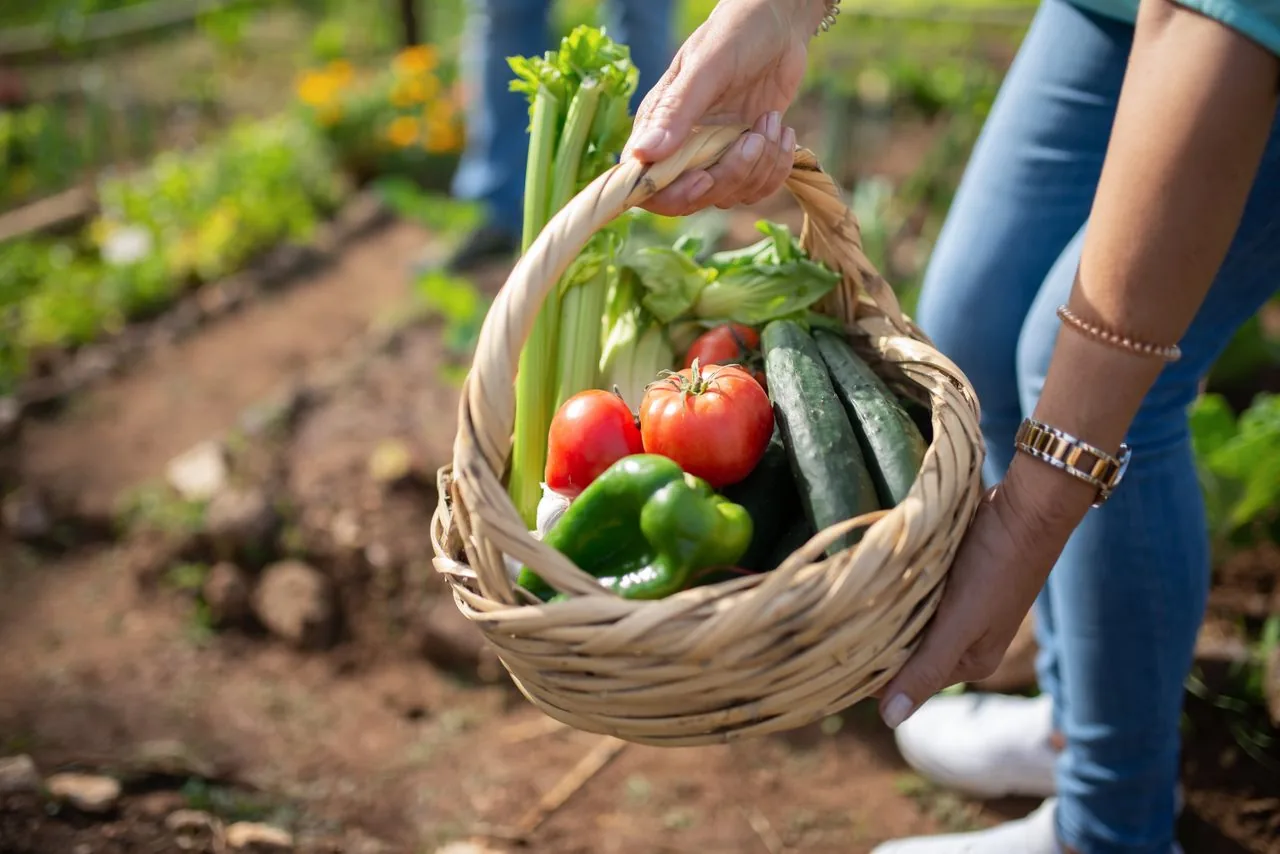
Our grandparents ate with the seasons because the supermarket hadn't yet flattened the calendar into one long, identical aisle of strawberries in January. Choosing to eat seasonally again isn't nostalgia for its own sake. Food picked in its proper month simply tastes better, costs less and travels a fraction of the distance — and it quietly reconnects you to the rhythm of the year.
Why the Season Still Matters
A tomato grown in season and ripened in the sun is a different thing entirely from its pale, out-of-season cousin flown halfway round the world. Seasonal produce is harvested at its peak, so the flavour and nutrition are at their best and the price is at its lowest, because the grower isn't fighting nature to provide it. Eating this way also slashes the energy hidden in heated greenhouses and long-haul freight. Tastier, cheaper and greener is a rare trio to find in one habit.
Learn the Shape of the Year
You don't need to memorise a chart. Shop at a farm shop or sign up to a veg box and the season tells you what it has. Spring brings asparagus, purple sprouting and the first salads; summer floods you with beans, courgettes and soft fruit; autumn is squashes, apples and roots; winter leans on brassicas, leeks and stored crops. After a year of paying attention, you start to feel the calendar in your cooking without thinking about it.
Cook What's There, Store the Glut
Seasonal eating asks for a little flexibility at the stove — building meals around what's good now rather than what a recipe demands. It also rewards a bit of squirrelling: freezing summer berries, turning a courgette mountain into chutney, storing apples in the shed. A few hours of preserving in autumn stretch the best of the year deep into the lean months.
Start with a single season. Cook what's in front of you, waste as little as you can, and let the year set your menu. It's one of the simplest ways to eat better and live a little more slowly.