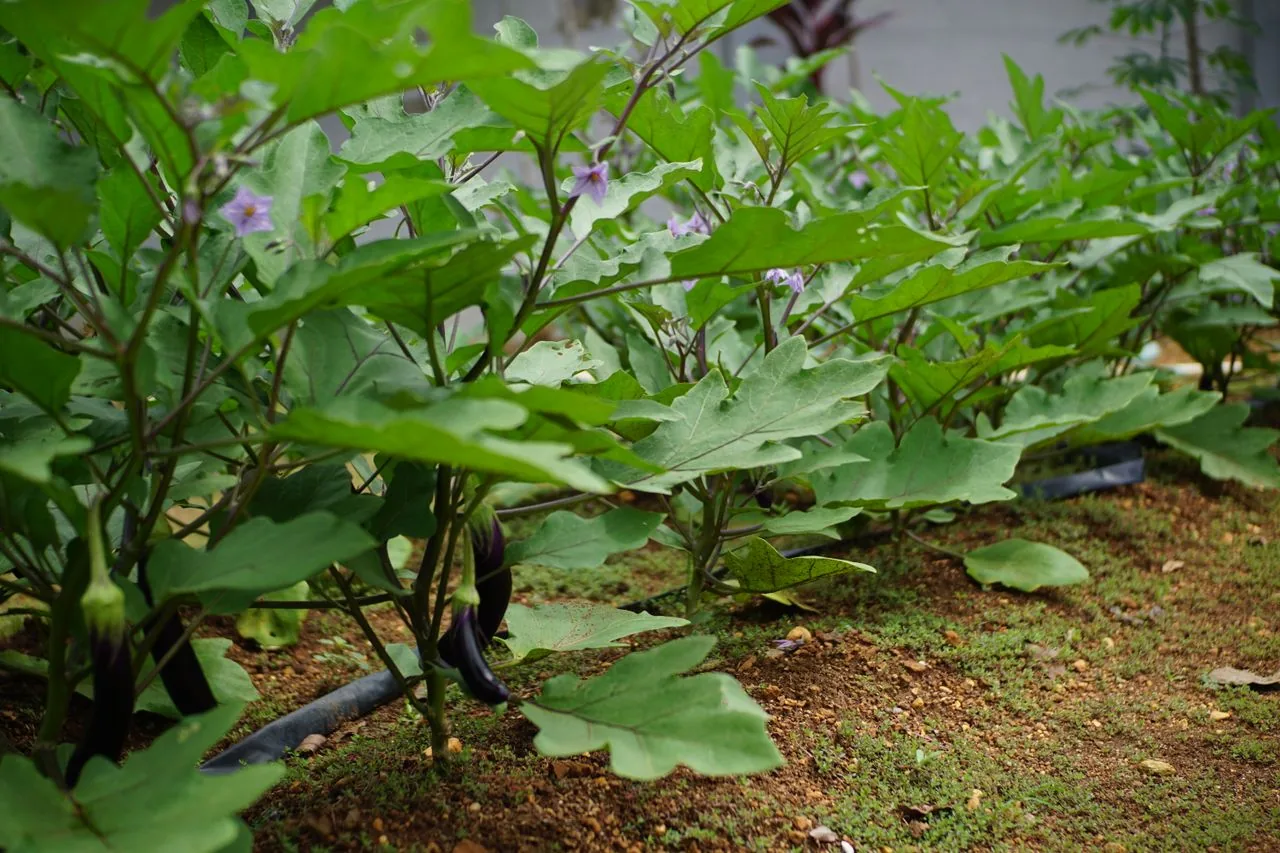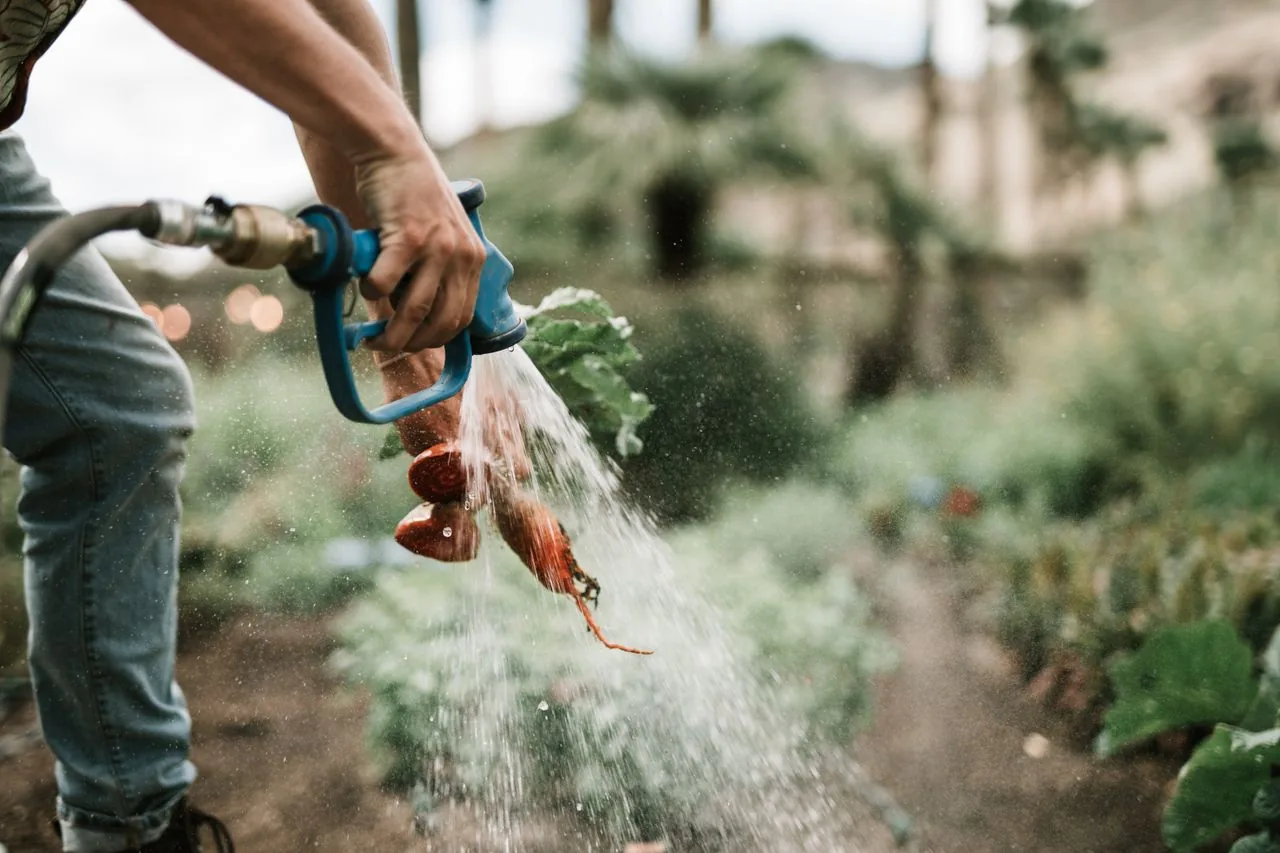
Everyone who grows food organically started in the same place: a patch of bare ground and a slightly nervous optimism. The first season is the hardest and the most forgiving — you'll make mistakes, and the plants will mostly grow anyway. The aim of an organic plot is simple. Feed the soil, not the plant, and let a healthy ecosystem do the heavy lifting.
Begin With the Soil
Good organic growing is really just good soil care. Before you plant a thing, get to know what you're working with. Dig a hole, feel the texture, see how the water drains. Then start adding organic matter — well-rotted manure, garden compost, leaf mould — and keep adding it every year. Soil rich in organic matter holds moisture, feeds itself and grows sturdier plants that shrug off pests. This single habit matters more than any product you could buy.
Choose Forgiving Crops First
Resist the urge to grow everything at once. A first plot does best with crops that want to succeed: courgettes, runner beans, salad leaves, chard, potatoes and herbs. They germinate readily, crop generously and forgive the occasional missed watering. Sow little and often for salads so you're not drowning in lettuce one week and bare the next, and keep a notebook of what you planted and when. Next year's gardener will thank this year's.
Work With Nature, Not Against It
Organic doesn't mean defenceless. It means reaching for the gentlest effective tool first. Encourage ladybirds and hoverflies with a few flowers among the veg, pick slugs off on damp evenings, net the brassicas against pigeons, and rotate where you grow things each year to keep diseases guessing. Most problems sort themselves out once the garden finds its balance, which usually takes a season or two of patience.
Don't aim for perfection in year one. Aim to keep the soil fed, the weeds down and your own enthusiasm up. A productive organic garden is built slowly, one barrowload of compost at a time.