We go to the countryside for the quiet, and then spend the first day fidgeting against it. The hands reach for a phone that has nothing to show them; the mind drafts emails nobody asked for. Genuine stillness, it turns out, is a skill we've half-forgotten, and a few days away is a chance to relearn it. The hardest part is simply letting the quiet in.
The First Day Is the Restless One
Almost everyone goes through it. You arrive wound tight, and for a day or so the silence feels less like peace and more like withdrawal. This is normal and worth pushing through. By the second morning the static starts to clear. You sleep deeper, you eat slower, you find yourself standing at a window watching nothing in particular and not minding at all. The stillness you came for arrives once you stop chasing it.
Let the Outdoors Do the Work
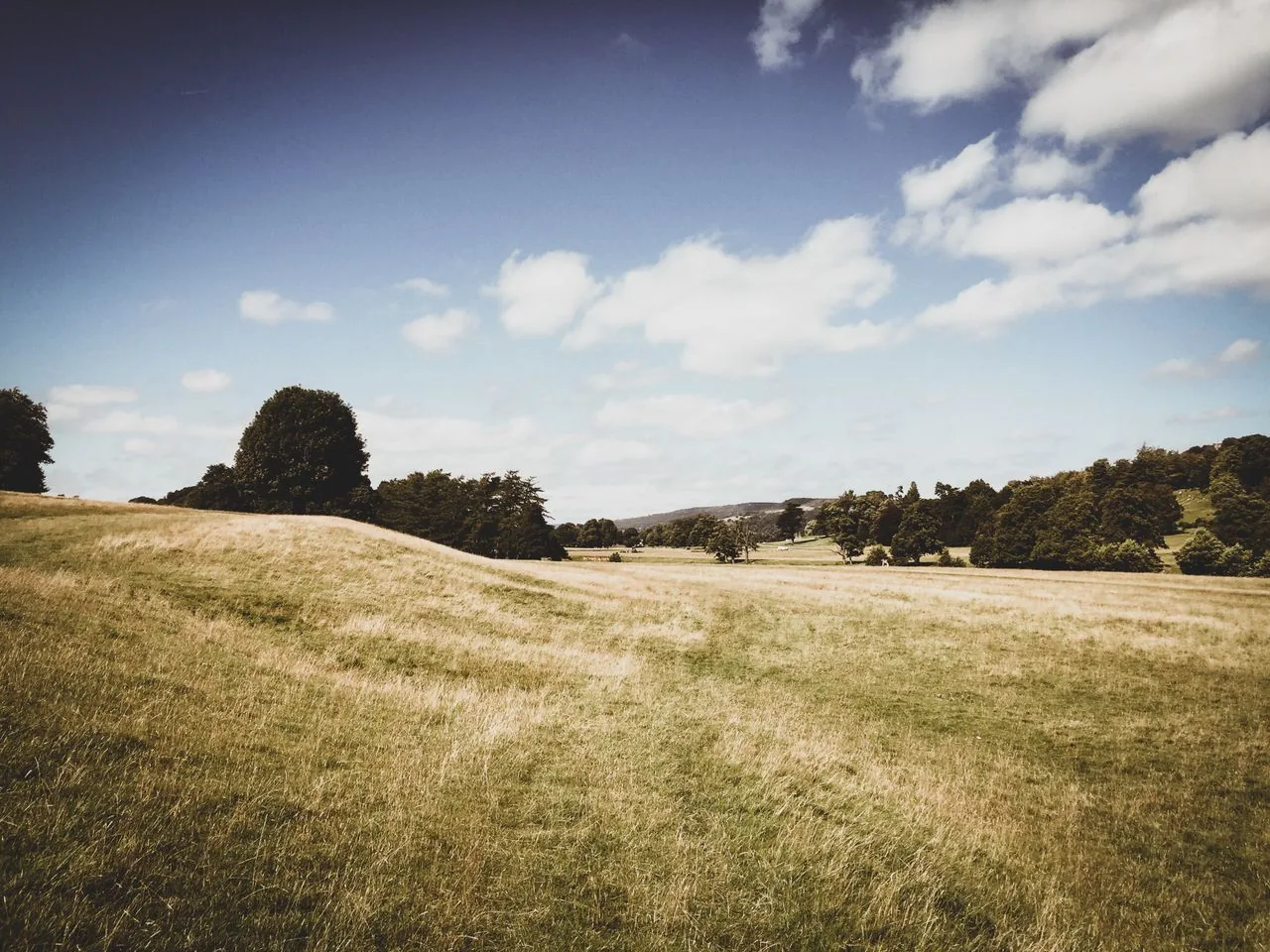
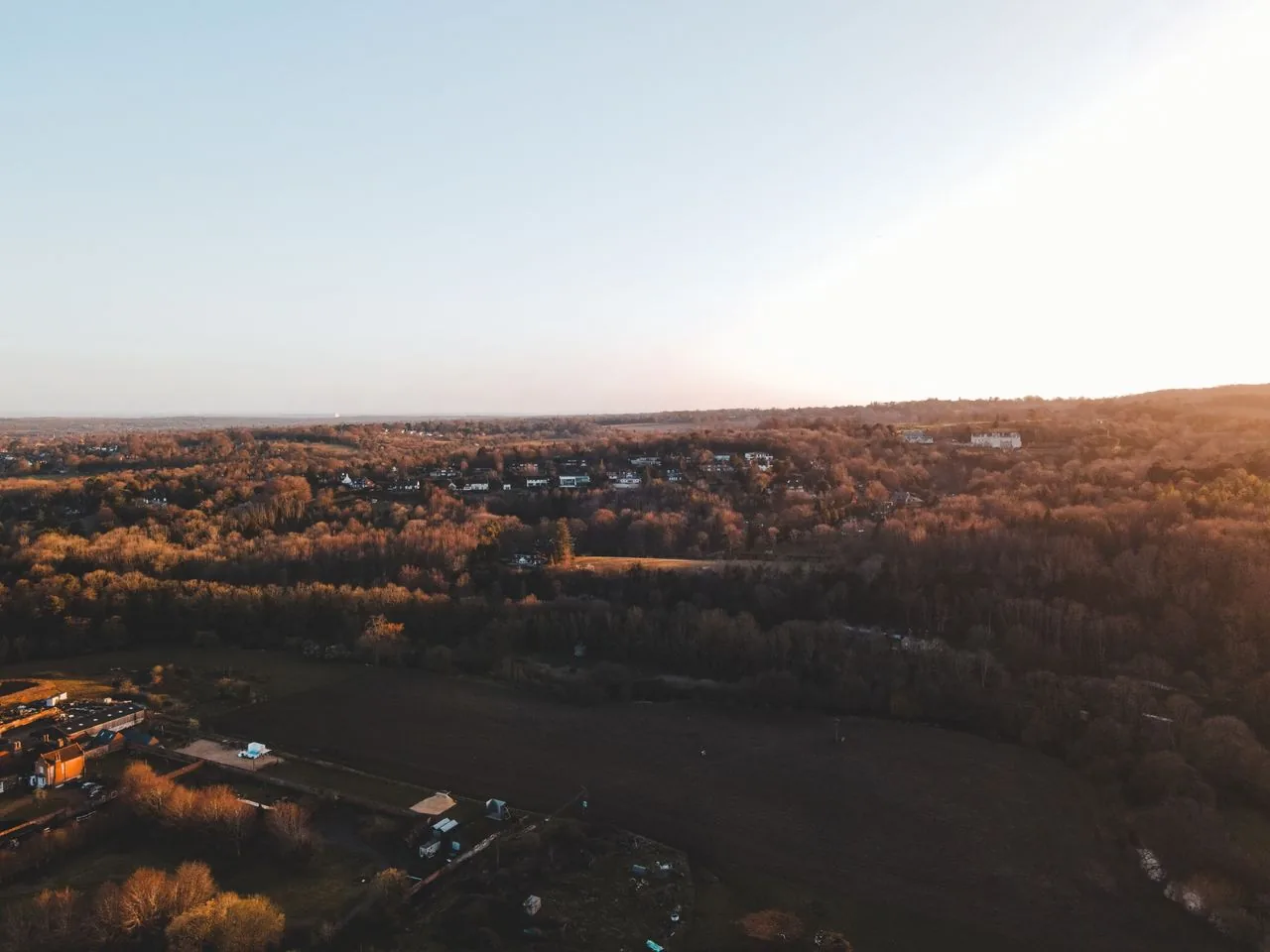
Time in nature is the quickest route back to a settled mind, and the country offers it on tap. A walk with no fitness target, an hour by a river, an evening watching the light go — none of it demands anything of you, which is exactly why it helps. Spending time outdoors is one of the simplest, best-evidenced ways to feel better, something the long-running campaigns of conservation charities like WWF keep gently reminding us. The more you give yourself to it, the more it gives back.
Take a Little of It Home
The aim isn't to bottle the retreat but to carry a fragment of it back. A short walk before the day starts. Ten minutes with a coffee and no screen. A standing rule that some part of the evening belongs to nothing useful. The stillness you found in a quiet cottage is portable, if you protect a small space for it once the noise of ordinary life closes back in.
Stillness isn't the absence of things to do; it's permission to leave them undone for a while. The countryside just makes that permission easier to grant yourself.